How to Choose Educational Toys That Promote Learning?

Time:2026-05-19 Author:Henry
0%

Choosing the right educational toys is crucial for children's development. Parents often ask, "What makes a toy educational?" The answer lies in how toys engage a child's mind. Toys that promote problem-solving, creativity, and critical thinking are ideal. They also encourage social interaction and communication skills.

Consider toys that challenge children. Blocks, puzzles, and art supplies can spark creativity. Educational toys should allow for open-ended play. This type of play fosters imagination while teaching valuable skills. Read labels and seek expert recommendations to find toys that meet developmental needs.

However, not all colorful toys are educational. Some can be distracting or over-stimulating. Understanding what makes a toy truly educational requires research and reflection. Balance is key in selecting toys that are fun yet help children learn. Aim for toys that inspire curiosity and hands-on exploration.
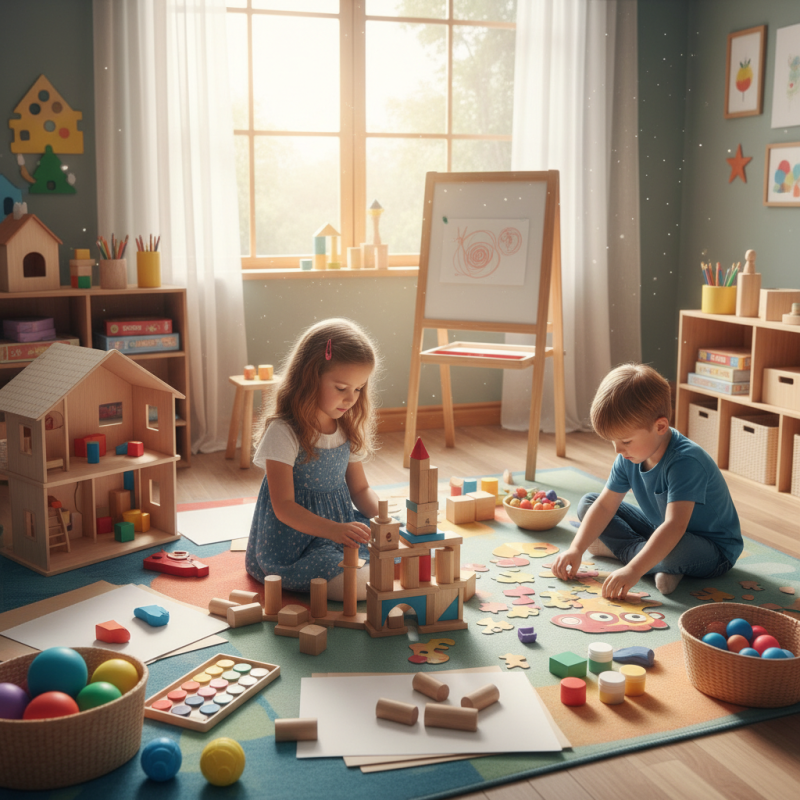
How to Choose Educational Toys That Promote Learning?

Understanding the Importance of Educational Toys for Child Development

Educational toys play a crucial role in child development. They can stimulate cognitive growth and enhance fine motor skills. Research indicates that children who engage with educational toys show improved problem-solving abilities. A study published in the Journal of Applied Developmental Psychology found that interactive toys can boost language skills significantly. Children aged two to three years exposed to such toys achieve 20% higher language proficiency.

When selecting educational toys, look for those that encourage creativity. Toys that allow open-ended play promote imagination. For example, building blocks or art supplies let children explore their creative side. Experts suggest that toys should also promote social interaction. Group toys encourage teamwork and communication.

**Tips:** Choose toys that match your child’s age and interests. This increases engagement. Additionally, consider how easily a toy can adapt as your child grows. Look for toys that evolve with your child's skills and offer varying levels of challenge. Remember, the goal is not just entertainment but learning through play. Always review your options and ensure they meet safety standards.

Identifying Key Learning Objectives in Toy Selection

When selecting educational toys, understanding key learning objectives is essential. Parents should consider what skills they want their children to develop. These might include cognitive skills, social interactions, or motor development. Identify age-appropriate toys that align with these goals. For example, building sets can enhance spatial awareness and creativity. Puzzles improve problem-solving abilities and hand-eye coordination.

Look for toys that encourage exploration and inquiry. Open-ended toys provide children with opportunities to think independently. Board games promote social skills and teamwork. Reflect on the child's interests as well. Not every toy suits every child, and preferences can change over time. Pay attention to how children engage with different toys.

Some toys may seem beneficial but fall short in actual learning. Observe your child's reactions. If a toy is consistently ignored or causes frustration, it may not meet your educational goals. Remember, a well-chosen toy should challenge but not overwhelm. Balancing fun and learning is vital. The right educational toy should spark curiosity and inspire a love for learning.

Evaluating Age Appropriateness and Safety of Educational Toys

When selecting educational toys, age appropriateness and safety are paramount. Studies show that 87% of parents prioritize age recommendations on toy packaging. This ensures that the toys match a child's developmental stage. For instance, toys designed for toddlers should be simple and engaging. They often include larger pieces to avoid choking hazards. Toys with small parts are unsuitable for this age group.


Safety standards are critical in evaluating toys. The Consumer Product Safety Commission (CPSC) reports that nearly 250,000 toy-related injuries occur in the U.S. each year. Parents should look for toys that meet safety guidelines. This includes non-toxic materials and sturdy construction. Toys should be free from sharp edges, which pose injury risks to young children. Always check for safety recalls to stay informed about hazardous products.


Understanding a child's unique learning style can also enhance the toy selection process. Observing how a child interacts with different toys can provide insights. Some may prefer hands-on activities, while others enjoy imaginative play. This reflection helps in finding toys that truly engage and educate. It's not uncommon for parents to discover that what works for one child may not suit another. Individual preferences matter in the journey of learning through play.

Exploring Different Types of Educational Toys and Their Benefits

When selecting educational toys, understanding their different types and benefits is crucial. According to a report by the American Association of Pediatrics, play is essential for children’s development. Toys that promote learning can enhance cognitive skills, motor skills, and social interaction. For instance, building blocks develop spatial awareness while encouraging creativity. Just building a simple structure can lead to hours of exploration and problem-solving.

Another category is STEM toys, which focus on science, technology, engineering, and math. A study published in the International Journal of Child-Computer Interaction found that children using STEM toys showed significant improvements in problem-solving skills. Incorporating elements like robotics fosters critical thinking. However, parents should remain cautious. Not all toys branded as educational provide genuine learning opportunities. The effectiveness often depends on how children interact with them.

Art supplies also play a crucial role. Research by the National Endowment for the Arts suggests that children exposed to art are more likely to develop critical thinking and emotional intelligence. Engaging with various mediums allows for self-expression. Yet, many toys lack the versatility that encourages deep exploration. Parents need to choose wisely and consider both the features and the potential for imaginative play.

Tips for Engaging Children Through Interactive and Stimulating Toys

Choosing toys that stimulate learning can be a rewarding experience. Interactive toys draw in children's attention effectively. Look for options that encourage problem-solving and creativity. Toys that involve building or assembly allow kids to explore concepts of physics and engineering. They can touch, feel, and manipulate, making learning tangible.

Consider toys that promote social interaction. Games that require teamwork can enhance communication skills. These activities teach children how to share and collaborate with peers. However, not all children will respond positively. Some may feel overwhelmed or shy in group settings. It's crucial to observe how each child engages with different toys.

Lastly, pay attention to how engaged your child is while playing. If they lose interest quickly, it may indicate a mismatch. Not every child learns in the same way. Reflect on their unique preferences. Finding the right educational toy often involves trial and error. Embrace the journey of discovery together.

Educational Toy Effectiveness by Category

FAQS

: What should parents consider when selecting educational toys?

: Parents should identify key learning objectives and the skills they want their children to develop.

How can toys enhance cognitive skills?

Building sets and puzzles are effective for improving problem-solving abilities and spatial awareness.

What type of toys encourage exploration?

Open-ended toys offer opportunities for independent thinking and promote inquiry.

Why are board games beneficial?

Board games help develop social skills and teamwork among children.

What should parents watch for in their child's play?

Pay attention to engagement levels; some toys may frustrate or be consistently ignored.

How do STEM toys contribute to learning?

STEM toys improve problem-solving and critical thinking, especially when involving robotics.

Can art supplies be considered educational toys?

Yes, they encourage self-expression and can develop critical thinking and emotional intelligence.

What is crucial in the balance of toy selection?

Toys should challenge children without overwhelming them, merging fun with learning.

What should parents reflect on while choosing toys?

Consider the child’s interests, as preferences can change and not all toys suit every child.

What is a possible drawback with educational toys?

Not all toys labeled as educational provide real learning opportunities, so choose thoughtfully.

Conclusion

Choosing the right educational toys is crucial for fostering child development. Understanding the importance of educational toys involves recognizing how they can enhance cognitive, social, and emotional skills. When selecting toys, it is essential to identify key learning objectives, such as problem-solving, creativity, and motor skills. Additionally, evaluating age appropriateness and safety ensures that the toys are suitable for the child’s developmental stage.

Various types of educational toys, from puzzles to interactive games, offer unique benefits that cater to different learning styles. What makes a toy educational is its ability to engage children actively, encouraging exploration and discovery. By opting for interactive and stimulating toys, parents can create enriching play experiences that support their child's growth and learning effectively.

Henry

Henry

Henry is a dedicated marketing professional with a profound expertise in the company's offerings. With years of experience in the industry, he possesses an impressive understanding of the market dynamics and consumer behaviors that drive success. Henry is committed to sharing his insights through......